Review: Christmas Nativity Scene with Holy Family Design
As a designer who spends more time staring at stitch simulations than most people care to admit, I approach every new machine embroidery design with a mix of excitement and skepticism. When I first pulled up the Christmas Nativity Scene with Holy Family on my screen, my immediate reaction was one of quiet appreciation. There is a specific mood this layout captures—a traditional, reverent stillness that often gets lost in overly busy holiday graphics. For those of us running small shops or creating handmade products for clients, finding a design that balances detail with stitchability is half the battle.
This isn't just a pretty picture; it is a potential asset for your craft business. Whether you are an Etsy seller looking to expand your holiday catalog or an apparel decorator fulfilling custom orders, the viability of this embroidery file depends on how it translates from digital preview to physical thread. Let's break down how this design performs in real-world scenarios.
First Impressions and Visual Personality
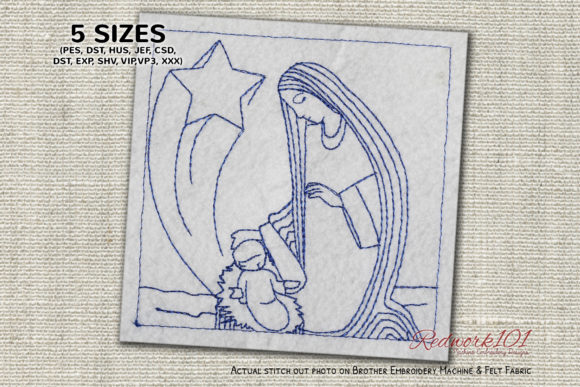
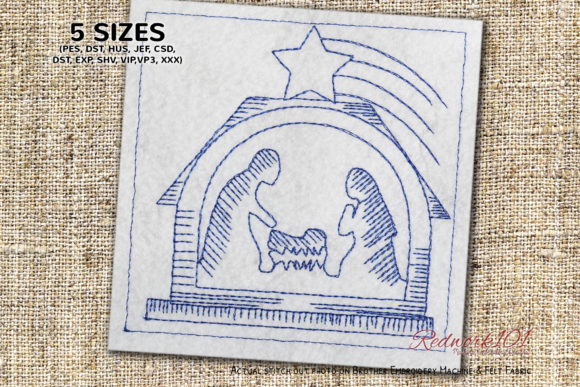
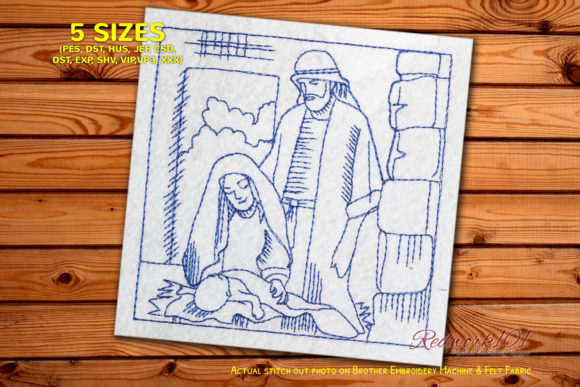
The composition of the Christmas Nativity Scene with Holy Family feels grounded. It avoids the cluttered look that plagues many seasonal designs, opting instead for a clear focal point on the central figures. The line work suggests a thoughtful blend of satin stitch for outlines and fill stitch for broader areas, which is crucial for maintaining definition without creating a cardboard-like stiffness on the fabric.
One detail that caught my eye immediately was the note regarding the outer box. The description mentions that the box stitch shown in pictures is optional and that the color of the outer box often varies. This is a critical observation for a professional. It tells me the designer understands that context matters. A rigid border might work on a square embroidered patch, but it could feel restrictive on a curved sweatshirt embroidery project or a soft baby blanket. The flexibility to remove or recolor that border allows us to adapt the design assets to fit the specific product rather than forcing the product to fit the design.
Real-World Application: The Holiday Tote Project
To truly evaluate this embroidery project, I imagined a specific client request: a set of limited-edition canvas tote bags for a local boutique's holiday gift guide. The goal was a personalized gift feel that looked high-end but could withstand the wear and tear of shopping season.
In this scenario, the Christmas Nativity Scene with Holy Family shines. Placed centrally on a natural cotton canvas, the design offers enough visual weight to stand out without overwhelming the bag's utility. The theme naturally lends itself to holiday embroidery collections, appealing to customers seeking something more meaningful than generic snowflakes or reindeer. Because the design focuses on the Holy Family, it carries a warmth that resonates well in nursery decor or as a thoughtful wedding gift for couples expecting their first child during the season.
If I were stitching this onto a dark navy tote, I would need to pay close attention to the thread colors. The contrast between the background fabric and the lighter tones of the scene is vital. If the digitizer has not accounted for sufficient underlay or if the fill density is too low, the dark fabric might peek through, ruining the clarity of the faces and robes. This is where testing on scrap fabric becomes non-negotiable.
Navigating Fabric Textures and Hoop Constraints
While this design is versatile, it is not universal. Every experienced embroiderer knows that stitch density can be the enemy of stretchy fabrics. If you plan to use this on a thin jersey t-shirt or a ribbed knit cap, you must proceed with caution. Heavy fill stitches on stretchy material can cause puckering, distorting the sacred imagery and making the garment uncomfortable to wear.
For baby embroidery projects, such as a onesie or a receiving blanket, the texture of the fabric is usually softer and more delicate. Here, using a high-quality cut-away stabilizer is essential to support the weight of the thread. Similarly, if you are attempting this on a structured item like a baseball cap, the curved surface presents a challenge. The detailed corners of the manger or the fine lines in the figures' faces might compress or shift if the hoop size is too small or if the framing isn't perfect. Always confirm the required hoop size before committing to a difficult substrate.
Furthermore, the note about the optional box stitch is particularly relevant here. On a cap or a rounded pillow cover, a hard rectangular border can look awkward as it follows the curve of the item. In these cases, omitting the box entirely creates a more organic, floating look that integrates better with the product's shape.
Commercial Viability and Brand Consistency
For commercial embroidery professionals, consistency is key to building customer trust. If you sell this as part of a small shop product line, the finished quality must be impeccable. A blurry face or tangled threads in the halos can detract from the perceived value of the item. Before listing this as a digital embroidery file or selling the stitched finished product, inspect the small details closely.
I recommend running a test stitch-out in black and white or grayscale first. This "value check" helps you see if the design relies too heavily on color changes to define shapes. If the image loses its form without color, the stitch structure may need adjustment. Additionally, compare how the design looks on both light and dark backgrounds. A design that only works on white fabric limits your market significantly.
Final Designer Notes and Best Practices
Before you load this into your machine for a paid order, keep these practical steps in mind:
- Test First: Always stitch a sample on the exact same fabric and stabilizer combination you intend to use for the final product.
- Check Licensing: Verify the terms of use. Can you sell the physical items? Can you resell the digital file? Never assume; always read the license included with the download.
- Thread Selection: High-sheen rayon or matte polyester threads will give different vibes. Rayon might offer a traditional glow suitable for a nativity, while matte polyester could provide a modern, understated look.
- Density Check: If the design feels too stiff after stitching, consider reducing the fill density in your editing software, provided you have the rights to modify the file.
- Mockups: Create printable mockups to show clients how the design scales on different items like aprons, tea towels, or wall hangings.
The Christmas Nativity Scene with Holy Family is a strong contender for your holiday lineup, provided you respect its technical requirements. It offers a timeless aesthetic that elevates simple goods into cherished keepsakes. By understanding its limitations regarding fabric choice and hoop placement, you can ensure that every stitch contributes to a professional, heartfelt result that your customers will treasure for years to come.