Angels of Mercy Bluework: A Designer's Field Review
When I first pulled up the Angels of Mercy Bluework file on my digitizing screen, I wasn't looking for flashiness. In the world of religious embroidery, subtlety often carries more weight than bold saturation. This design immediately struck me as a piece meant for quiet reverence rather than loud decoration. The monochromatic blue palette suggests a classic, almost vintage aesthetic that feels timeless. As a designer who spends hours tweaking stitch paths and testing densities, my first impression was one of cautious optimism. The layout is clean, avoiding the clutter that sometimes plagues spiritual motifs, but the real test is always how it translates from a digital preview to a physical finished product.
Visual Personality and Mood
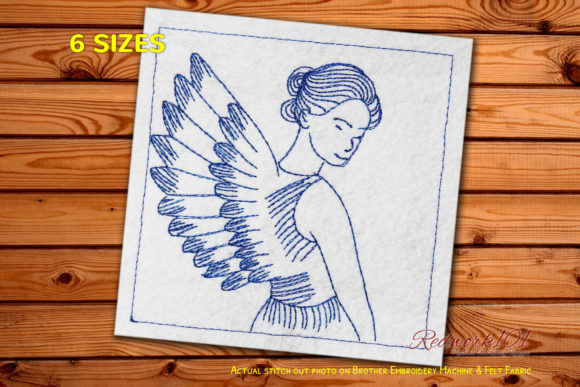
The core appeal of Angels of Mercy Bluework lies in its restraint. By sticking to shades of blue, the design avoids the potential tackiness that can occur when too many thread colors compete for attention in a small space. The mood is serene and protective, fitting perfectly within the Religion category without feeling overly dogmatic. Visually, the lines appear crisp, suggesting a good balance between satin stitch outlines and fill stitch bodies. For a craft business owner, this visual personality is gold; it signals quality and thoughtfulness. It doesn't scream "mass-produced." Instead, it whispers "handmade with care," which is exactly the vibe needed for high-end boutique items or meaningful personalized gifts.
Real-World Application: The Tote Bag Scenario
To truly evaluate this machine embroidery design, I imagined a specific client request: a custom tote bag for a church charity event. The goal was to create something durable enough for carrying books and groceries but elegant enough to be worn as a statement piece. Angels of Mercy Bluework fits this scenario exceptionally well. On a natural canvas or heavy cotton tote, the blue threads pop beautifully against the neutral background. The design's structure holds up well on flat surfaces, maintaining its integrity even when the bag is stuffed.
If I were an Etsy seller listing this item, I would market it as a "Ministry Essentials" tote. The design scales well, meaning it could also work as a smaller accent on a matching tea towel or a larger centerpiece on a blanket. The versatility here is a major selling point for small shop products. Unlike some intricate applique design files that require excessive trimming and layering, this looks like a straightforward stitch-out that saves production time while delivering a premium look.
Fabric Compatibility and Technical Considerations
However, no design is universal, and practical judgment requires knowing where Angels of Mercy Bluework might struggle. While it shines on stable fabrics like denim, twill, or canvas, caution is advised when moving to stretchy materials. If you are planning sweatshirt embroidery or working with thin jersey knits for baby clothes, the stitch density becomes a critical factor. Heavy fill areas can cause puckering if the fabric isn't properly supported.
For textured fabrics, such as waffle weave kitchen towels or looped terrycloth, the finer details of the angel's features might get lost. In these cases, I recommend running a test on scrap fabric first. You need to see how the running stitch elements interact with the texture. If the design includes tiny lettering or very fine corners, those are the first places to fail on rougher surfaces. Additionally, curved surfaces like caps present a challenge. The distortion inherent in cap framing can warp the symmetry of the angel figure. Unless you have experience adjusting pull compensation for curved hoops, this design is best reserved for flat applications like pillow covers, aprons, or wall hangings.
Navigating Dark Fabrics and Contrast
The product description notes that the outer box color is optional and often different in various designs. This is a crucial detail for anyone working with dark fabrics. If you intend to stitch this onto a navy or black garment, the standard blue threads might vanish. You would need to manually adjust the thread colors in your embroidery software to ensure sufficient contrast. Perhaps swapping a lighter sky blue for the highlights or adding a white underlay could save the design from disappearing into the background. Always check the color sequence before loading the embroidery file into your machine.
Commercial Viability and Brand Trust
For creative entrepreneurs, the value of a design isn't just in how it looks, but in how it makes the customer feel. Angels of Mercy Bluework has the potential to elevate brand consistency. If your handmade product line focuses on comfort, faith, or healing, this design reinforces that message visually. It adds a layer of professionalism that generic clip-art-style embroidery lacks. Customers trust items that look technically sound; loose threads, bird nests, or distorted shapes kill credibility instantly. Because this design appears to have a logical flow, it reduces the risk of those embarrassing production errors, thereby protecting your reputation as a reliable maker.
When creating printable mockups for your online store, this design photographs well. The monochromatic scheme translates cleanly to digital screens, making it easier for buyers to visualize the final item. Whether you are selling the physical embroidered good or offering this as a digital embroidery file for others to use, the presentation is key. A clean, well-stitched sample of Angels of Mercy Bluework can be the difference between a browser scrolling past and a buyer clicking "add to cart."
Essential Designer Notes for Success
Before committing this design to a client project or a batch of holiday gifts, there are several practical steps every designer should take. First, verify the licensing terms. Just because a file is available for purchase doesn't automatically grant commercial rights for unlimited sales. Confirm whether you can sell finished items or if the license restricts you to personal use only.
Next, pay attention to stabilizer choice. For a design with this level of detail, a cut-away stabilizer is often safer than tear-away, especially if the finished product will undergo frequent washing. This prevents the fabric from shifting over time and distorting the angel's shape. Also, consider testing the design in black and white on your screen. This helps you identify areas where stitch density might be too high or where distinct elements might blend together unintentionally.
Finally, don't ignore the hoop size requirements. While the exact dimensions aren't specified in the brief description, ensure your machine's hoop can accommodate the full span of the design without needing to re-hoop, which can lead to alignment issues. If the design includes the optional box stitch, decide early if it adds value to your specific project or if skipping it creates a cleaner, more modern look.
In conclusion, Angels of Mercy Bluework is a thoughtful addition to any designer's library. It bridges the gap between traditional religious iconography and modern aesthetic sensibilities. With careful attention to fabric selection, thread contrast, and stabilization, it can become a staple in your repertoire of commercial embroidery projects, delivering results that resonate deeply with end-users.