Christmas Shoes Lineart Design Review for Craft Fairs
As an embroidery designer who has spent countless weekends manning a booth at local craft fairs and holiday markets, I know that the difference between a bestseller and a table ornament often comes down to the clarity and appeal of the design. When I first pulled up the Christmas Shoes Lineart Design on my screen while prepping for the upcoming holiday season, my immediate thought was about versatility. In the high-pressure environment of a handmade market, you need assets that work hard across multiple products without losing their charm.
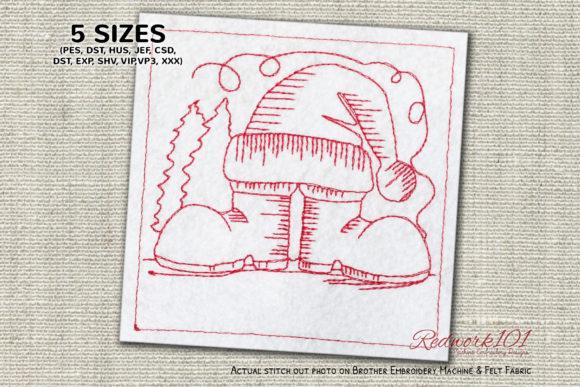
This specific machine embroidery design offers a clean, linear aesthetic that feels both modern and nostalgic. Unlike overly dense or complex illustrations that can get lost on textured fabrics, line art tends to pop with a crisp, graphic quality. The description notes that "The Box Stitch shown in picture is optional," which is a crucial detail for production planning. It suggests flexibility; we can frame the shoes for a patch look or let them float freely on a garment for a minimalist vibe. This adaptability is gold for a small shop product lineup where inventory space is limited.
First Impressions and Market Appeal
The initial visual impact of the Christmas Shoes Lineart Design is undeniably festive yet understated. It avoids the clutter often found in holiday graphics, leaning instead into a "less is more" philosophy that resonates with today's boutique buyers. Whether your brand identity is rustic farmhouse, chic modern, or cozy traditional, this design bridges the gap effectively. It feels decorative without being overwhelming, making it a safe bet for customers who want holiday spirit without screaming decorations.
For an Etsy seller or a physical booth owner, the "cute" factor here is balanced with elegance. The line work suggests movement and whimsy, likely depicting Santa's boots or elf shoes, which are universal symbols of the season. Because it is line art, it translates exceptionally well to a printable mockup for online listings. Customers scrolling through digital marketplaces need to understand the design instantly, and the high contrast of line art ensures it grabs attention even on a small smartphone screen.
Strategic Product Placement for Maximum Sales
When setting up my display table, I am always thinking about where a design will shine brightest. The Christmas Shoes Lineart Design is a chameleon in terms of application. Here is how I would deploy it across my inventory:
- Tote Bags and Market Bags: This is arguably the strongest contender. A large-scale version of the design centered on a canvas tote creates a statement piece. The open nature of line art means it won't feel heavy or stiff on the fabric, preserving the drape of the bag.
- Apron Embroidery: Holiday cooking is huge, and an apron featuring these shoes on the bib or pocket adds a playful touch. It works beautifully as a focal point or a smaller accent near the waist tie.
- Tea Towel Embroidery: Kitchen linens are staple craft fair products. The linear style complements the weave of linen or cotton towels perfectly. However, one must be mindful of the fabric texture; if the towel is too looped or thick, fine lines might get swallowed up.
- Embroidered Patches: If utilizing the optional box stitch mentioned in the description, this becomes a perfect candidate for iron-on patches. These are low-cost add-ons that increase average order value at the checkout counter.
- Caps and Hats: Placing a smaller version on the front of a dad hat or beanie is trendy. The simplicity of the design ensures it remains legible on the curved surface of a cap.
- Pillow Covers and Pouches: For home decor enthusiasts, this design adds a seasonal refresh to living spaces without requiring a full re-decoration.
Production Realities and Technical Considerations
While the aesthetic is strong, practical execution is where many designers stumble. Before committing to a batch run of fifty aprons, I always run a test on scrap fabric. With line art, stitch density is critical. If the lines are too thin or the underlay is insufficient, the design may look skeletal or fail to cover the fabric properly. Conversely, if the density is too high, you risk puckering, especially on lighter materials like tea towels.
The product description mentions that "The color of outer Box is different color in most of the designs unless it is part of the design itself." This implies that color separation is key. When digitizing or loading the embroidery file, pay close attention to thread stops. You want to ensure that the transition between the shoe outline and the optional box is clean. Using high-contrast thread colors—such as classic red and green against white, or metallic gold against navy—can elevate the perceived value of the finished product.
There are also specific challenges to watch for depending on your substrate:
- Fabric Texture: On fluffy towels or thick wool blends, fine line details can disappear. Always test on the exact material you intend to sell.
- Curved Surfaces: Embroidering on caps requires careful hooping and potentially a different stabilizer approach than flat goods to prevent distortion.
- Dark Fabric: Line art relies on contrast. If stitching on black or dark green fabric, ensure your thread has enough brightness to stand out, or consider a satin stitch border to define the edges.
- Small Sizes: If shrinking this design for a pocket logo or small pouch, verify that the lines do not merge. Details that look great at 4 inches might turn into a blob at 1 inch.
Enhancing Brand Consistency and Buyer Engagement
In a crowded marketplace, consistency builds trust. Using the Christmas Shoes Lineart Design across a cohesive collection—matching tote bags, aprons, and oven mitts—creates a visually striking booth display. It signals to the customer that you are a professional with a curated vision, not just someone selling random items. This visual harmony encourages buyers to purchase multiple items as a set, boosting your sales per transaction.
Furthermore, the simplicity of the design makes it highly photogenic. For digital embroidery file sellers or those marketing their physical goods on social media, clean line art photographs beautifully in natural light. It allows for creative styling with props like pine cones, cinnamon sticks, or wrapping paper without the image feeling cluttered. This ease of content creation is a massive advantage for maintaining an active online presence during the busy holiday rush.
Final Designer Notes for Commercial Success
Before listing this as a commercial embroidery product or incorporating it into your holiday lineup, there are a few non-negotiable steps. First, confirm the licensing terms. Just because a design is available doesn't automatically grant commercial rights; always verify you are cleared to sell finished goods made with this asset. Second, double-check the hoop size requirements. While line art is often scalable, the original digitization might have optimal dimensions for stitch quality.
Finally, create at least one real-world mockup before advertising. Screenshots rarely capture the texture and sheen of the thread. A photo of the actual stitched item on a high-quality fabric will convert far better than a digital render. The Christmas Shoes Lineart Design has all the makings of a holiday hit: it is versatile, visually appealing, and practical for batch production. With careful attention to stitch settings and fabric selection, it can become a cornerstone of your seasonal collection, delighting customers looking for that perfect, handmade touch of Christmas.