Colored Quilting: A Designer's Take on Real-World Use
When I first pulled up the Colored Quilting file on my screen, my immediate reaction wasn't just about the colors; it was about the texture it promised. As a designer who spends more time staring at stitch maps than actual fabric sometimes, I look for specific things in a machine embroidery design. Does it have flow? Is the density manageable? Will it hold up after a wash cycle? This particular piece, categorized under Bedroom themes but versatile enough for much more, caught my eye because it bridges the gap between traditional quilt aesthetics and modern digitizing efficiency.
First Impressions and Visual Personality
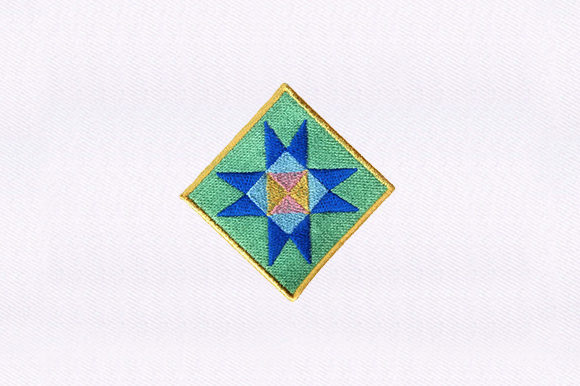
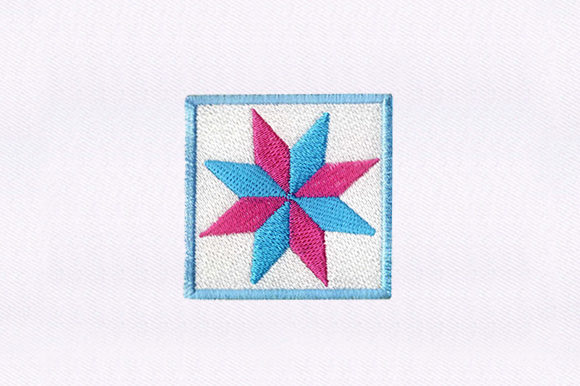
The layout of Colored Quilting feels intentional. It doesn't scream for attention with chaotic lines; instead, it offers a structured, cozy vibe that mimics the patchwork feel of a handmade quilt without requiring the hours of actual piecing. The visual personality is warm and inviting, making it an instant candidate for projects where comfort is the selling point. When you are running a craft business or managing an Etsy seller shop, the "mood" of your product often dictates the sale. This design exudes a sense of home, which is powerful.
From a technical standpoint, the transition between color blocks appears smooth. In a real embroidery project, jagged transitions can ruin the illusion of a soft textile. Here, the digitizer seems to have accounted for thread pull, ensuring that the geometric shapes remain crisp. Whether you are using this as a standalone motif or part of a larger composition, it brings a level of professionalism that elevates a basic handmade product into something that looks boutique-ready.
Real-World Application: The Tote Bag Test
To truly evaluate this design, I imagined a specific scenario: creating a line of reusable market totes for a local farmer's co-op. These aren't just promotional items; they need to look good enough that customers actually want to carry them. I pictured Colored Quilting stitched onto a heavy canvas tote bag design. The 6×6 hoop size specified in the SKU E-21631 details is perfect for this. It's large enough to make a statement on the front of a bag but small enough to fit comfortably without distorting the fabric handles.
In this context, the design works beautifully. The geometric nature of the "quilt" pattern complements the sturdy weave of canvas. If I were to use this on a sweatshirt embroidery project, say for a cozy winter collection, the result would be equally effective. The design adds visual interest to a plain garment without overwhelming the wearer. For custom apparel, especially in the Bedroom category like pajama sets or robes, this design adds that extra touch of luxury that justifies a higher price point.
Navigating Fabric Challenges and Stitch Density
However, no digital embroidery file is universal, and honest review means discussing where caution is needed. While Colored Quilting looks fantastic on stable fabrics like cotton twill or denim, I would advise testing carefully on stretchy materials. If you are planning baby embroidery on a soft knit onesie, the stitch density might be too rigid if not paired with the right stabilizer. A cut-away stabilizer would likely be necessary here to prevent the design from puckering over time as the baby grows and moves.
Similarly, if you are attempting this on dark fabric, you must check your thread colors. The preview might look vibrant on a white background, but certain shades could get lost against navy or black. Always run a test stitch-out on scrap fabric that matches your final product. This is crucial for maintaining customer trust. Nothing kills a small shop product reputation faster than a finished item that looks different from the printable mockup shown online.
Curved surfaces present another challenge. While a 6×6 hoop is standard, applying this to a cap requires skill. The flat geometry of the quilt pattern might distort if the fabric isn't hooped tightly enough or if the curve of the cap isn't accounted for in the placement. For embroidered patch creation, however, this design is ideal. You can stitch it out on a stable backing, cut it, and merrow the edges, creating a high-value accessory that can be applied to jackets or bags later.
Commercial Viability and Brand Consistency
For those of us selling design assets or finished goods, consistency is key. Colored Quilting offers a reliable aesthetic that can become part of a brand's identity. If you specialize in holiday embroidery or wedding gifts, this design can be adapted by changing thread palettes. Imagine a version in pastels for a baby shower or rich jewel tones for a winter holiday gift. The underlying structure remains the same, but the mood shifts entirely based on your thread choice.
This flexibility enhances buyer engagement. Customers love seeing variations of a theme. By using this single embroidery file across different products—pillow covers, tea towels, aprons—you create a cohesive collection. This approach streamlines production for commercial embroidery shops, allowing you to maximize the utility of a single purchase. It also helps in creating compelling printable mockups for your online store, showing potential buyers how versatile the design can be.
Practical Notes for the Professional Maker
Before you commit to a full production run, here are a few actionable steps to ensure success with Colored Quilting:
- Test on Scrap: Always stitch a sample on the exact fabric type you intend to use. Check for registration issues between color blocks.
- Stabilizer Selection: Match your stabilizer to the fabric weight. Woven fabrics might only need tear-away, but knits and towels demand cut-away support.
- Thread Contrast: Verify that your thread colors pop against the fabric. Sometimes a slight shade adjustment makes a huge difference in clarity.
- Hoop Confirmation: Ensure your machine can accommodate the 6×6 hoop requirement. While common, not all home machines have this capacity.
- Licensing Check: Since this is a specific SKU (E-21631), confirm the license terms. Are you allowed to sell the finished product commercially? Can you resize it? Knowing this protects your business legally.
- Density Review: Look closely at the satin stitch and fill stitch areas. If the design feels too dense for your fabric, consider reducing the density slightly in your editing software if the file format allows.
Ultimately, Colored Quilting is a solid addition to any designer's library. It respects the traditions of quilting while leveraging the precision of modern Embroidery technology. Whether you are making a personalized gift for a friend or stocking shelves for the holiday rush, this design delivers on both aesthetics and durability. Just remember, the difference between a good product and a great one often lies in the preparation. Take the time to test, adjust, and refine, and this design will serve your craft business well.