Lines Flower Quilting Design: A Designer's Review
As an embroidery designer who spends countless hours digitizing and stitching for clients, I am always on the lookout for machine embroidery design files that balance aesthetic appeal with technical reliability. Recently, I evaluated the Lines Flower Quilting Design available on Creative Fabrica to determine if it holds up under the scrutiny of real-world production. Whether you are an Etsy seller looking to expand your Bedroom decor line or a small business owner creating custom apparel, understanding the nuances of a new embroidery file before you commit to a customer order is crucial.
First Impressions and Visual Mood
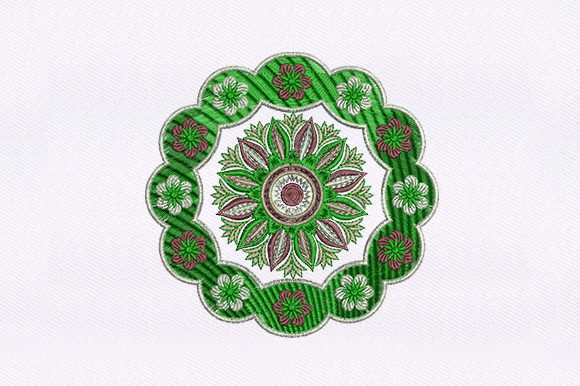
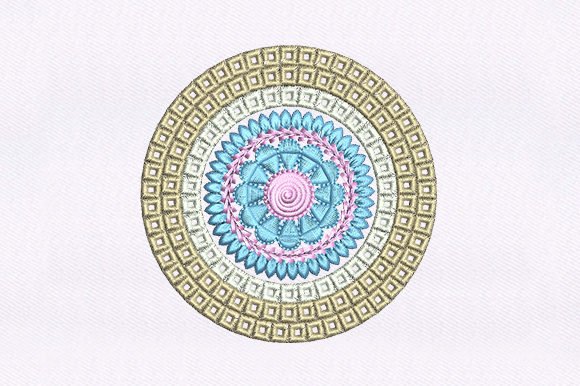
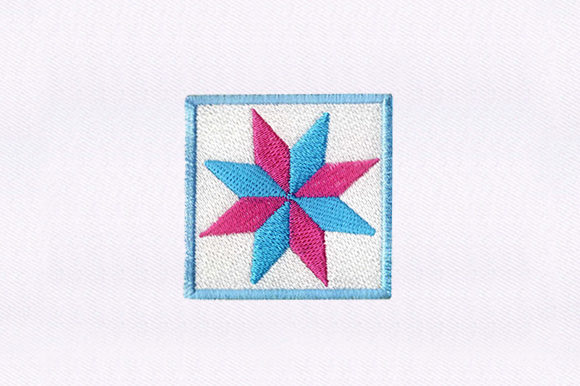
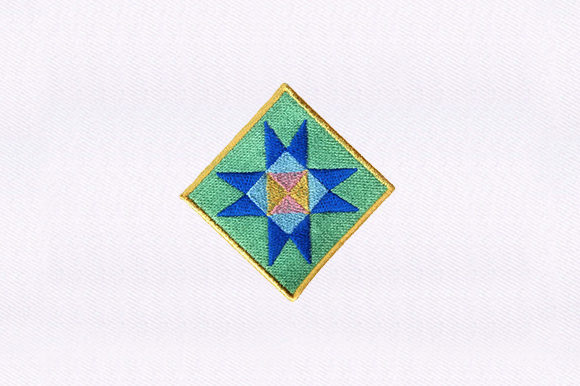
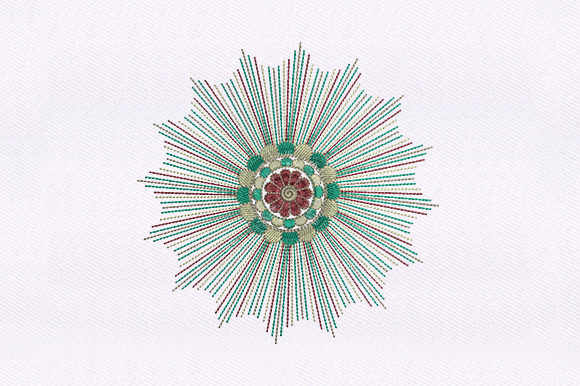
Upon opening the preview images for Lines Flower Quilting Design, the immediate impression is one of understated elegance. The "lines" aspect suggests a focus on clean, flowing contours rather than heavy, dense fills. This gives the design a modern, airy personality that fits perfectly into current trends favoring minimalism and organic shapes. For projects intended for the Bedroom category, such as pillow covers or quilt blocks, this lightness is a significant asset. It avoids the stiffness often associated with heavy satin work, allowing the fabric to drape naturally.
The decorative appeal lies in its versatility. Unlike complex applique design files that require multiple fabric changes and precise trimming, this design appears to rely on a combination of running stitch outlines and strategic fill stitch areas. This simplicity often translates to faster run times and fewer thread breaks, which is music to any commercial embroiderer's ears. However, a visual review is only the first step; the true test is how these lines translate when the needle hits the fabric.
Performance in Real Embroidery Projects
When considering Lines Flower Quilting Design for actual products, I mentally ran through a checklist of common items I produce. For a tote bag design, the open nature of the lines would look stunning on canvas, provided the stitch density is not too low to get lost in the weave. Similarly, for sweatshirt embroidery, the design's potential use of lighter stitches makes it ideal for fleece or French terry, where heavy digitizing can cause puckering or discomfort against the skin.
I also considered its application on smaller goods like an embroidered patch or a cap. Caps present a unique challenge due to their curved surface. If the design relies heavily on long running stitch segments without proper underlay or tie-offs, there is a risk of shifting on structured hats. For kitchen towels or aprons, which undergo frequent washing, the durability of the stitch types used in this design becomes paramount. A design that looks beautiful on a screen must withstand the agitation of a laundry cycle without fraying or losing definition.
For those selling handmade product lines on platforms like Etsy, the visual consistency of this design could help establish a cohesive brand identity. Its clean lines photograph well, making it easier to create high-quality printable mockup images for listings without the glare that sometimes occurs with thick satin stitch work.
Technical Considerations and Fabric Challenges
Before stitching a final finished product, several technical factors must be addressed. One primary concern with line-based designs is performance on dark fabric. If the design utilizes thin outlines, ensuring high contrast with your chosen thread colors is essential. A light thread on a navy background might disappear if the stitch width is too narrow. Conversely, on light fabrics, the shadowing effect of the underlay must be managed to prevent a grayish halo around the floral motifs.
Stretchy fabrics pose another consideration. While the description hints at quilting applications, using this on a stretchy tee requires a robust stabilizer strategy. Without proper cut-away stabilizer, the tension from the stitching—even if minimal—could distort the flower shapes over time. Additionally, if you plan to use this for tiny lettering integration or within a small hoop, you must verify the minimum dimensions. Some intricate line work does not scale down well and may lose detail if resized beyond the manufacturer's recommendations.
It is also vital to check the specific hoop size requirements. While many modern machines handle standard hoops easily, larger continuous patterns might require re-hooping, which introduces alignment risks. Always test on scrap fabric identical to your final material. This allows you to inspect small details after stitching, such as jump stitch management and how cleanly the machine trims between sections.
File Formats and Machine Compatibility
A major advantage of purchasing from Creative Fabrica is the variety of formats provided. The Lines Flower Quilting Design comes in a comprehensive list including 10O, ART, CND, DSB, DST, DSZ, EXP, HUS, JEF, PEC, PES, TAP, VIP, and VP3. This extensive range ensures compatibility with almost every major machine brand, from Brother and Janome to Bernina and Husqvarna. Having access to the native digital embroidery file format for your specific machine often yields the best results, preserving the intended stitch logic and pull compensation.
However, do not assume universal perfection across all formats. It is good practice to load the specific file type for your machine and visually inspect the stitch sequence in your software before loading it onto the device. This confirms that the color stops are logical and that the design flows in a way that minimizes unnecessary trims and jumps.
Enhancing Product Value and Brand Trust
Incorporating high-quality designs like Lines Flower Quilting Design can significantly elevate the perceived value of your goods. Customers associate clean, precise stitching with professionalism. When a personalized gift or boutique merchandise features crisp lines and balanced composition, it builds buyer trust. This is particularly important for commercial embroidery where repeat business relies on satisfaction.
The aesthetic of this design supports a narrative of thoughtful craftsmanship. Whether used on a nursery decor item or a seasonal handmade gift, the floral motif conveys warmth and care. For creative entrepreneurs, this means the design is not just a pattern but a tool for storytelling. High-quality presentation in product photography, aided by the design's clear lines, can drive higher engagement and conversion rates on social media and online shops.
Final Verdict and Practical Advice
After reviewing the capabilities and potential applications of Lines Flower Quilting Design, it stands out as a versatile asset for designers focusing on home decor and light apparel. Its strength lies in its adaptability across different textiles and its compatibility with a wide array of machines thanks to the diverse file formats offered.
Before integrating this into your inventory, remember to:
- Test on scrap fabric to verify stitch density and tension.
- Check thread color contrast, especially for dark backgrounds.
- Confirm the license terms on the Creative Fabrica product page regarding commercial embroidery sales.
- Use the appropriate stabilizer for your specific fabric type.
- Review the design in your embroidery software to ensure no elements are lost in resizing.
By taking these precautions, you can confidently use this design to create beautiful, durable items that resonate with your customers. Always visit the official product page to download the latest version of the files and ensure you have the most up-to-date specifications for your specific machine model.