Duck Design Review: A Versatile Asset for Small Business Branding
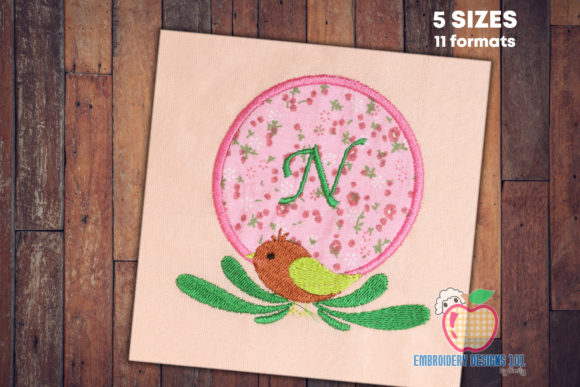
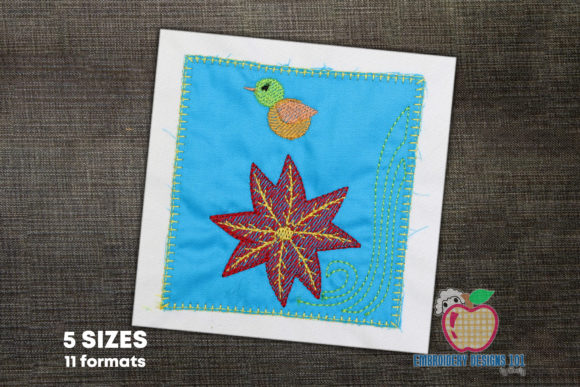
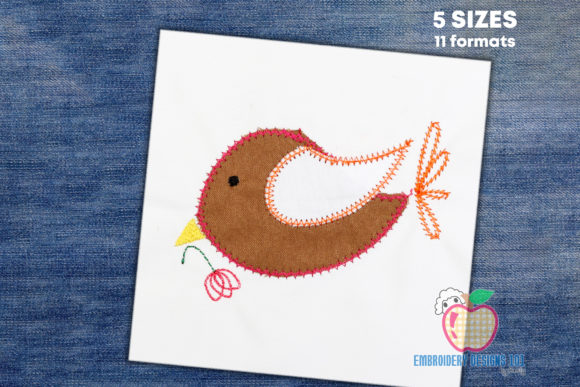
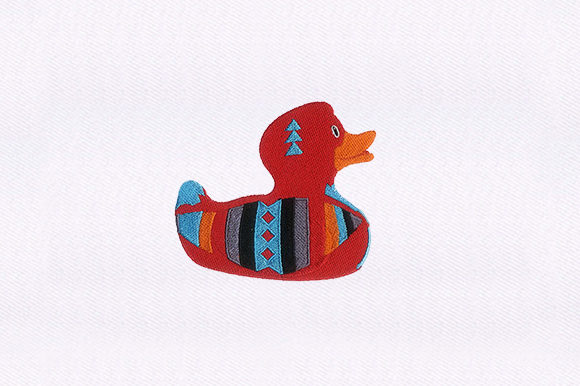
As an embroidery designer who has spent years digitizing logos and refining artwork for commercial use, I approach every new machine embroidery design with a critical eye toward its business application. It is not enough for a file to look cute on a screen; it must hold up under the needle, survive industrial washing, and communicate a brand's identity instantly. Today, I am reviewing the Duck Design, a digital asset categorized under Birds, to determine its viability for small business merchandise, branded patches, and professional apparel.
My first impression of the Duck Design is that it strikes a balance between friendly and professional. In the world of small business merch, especially for cafes, bakeries, pet brands, and boutique studios, the vibe needs to be welcoming without sacrificing quality. This design feels inherently handmade yet polished, making it an excellent candidate for businesses that want to project warmth and approachability. Whether you are running a local florist shop or a creative studio, the visual personality of this embroidery file suggests a brand that values craftsmanship and nature-inspired aesthetics.
Real-World Applications for Branded Merchandise
The true test of any digital embroidery file is its versatility across different products. The Duck Design shines in several key areas of commercial embroidery. For a coffee shop or bakery, this design works exceptionally well as an apron embroidery accent. Placed on the chest or near the pocket, it adds a touch of whimsy to staff uniforms while maintaining a clean, organized look. Because ducks are universally recognized and generally liked, the design helps humanize the brand, making customers feel more connected to the staff wearing it.
Another strong use case is the embroidered patch. Patches are currently a massive trend in custom apparel and accessories. If you digitize or utilize the provided formats correctly, this design can be stitched onto a twill backing to create a durable badge for tote bags, backpacks, or denim jackets. For Etsy sellers and crafters, offering a limited run of tote bags featuring the Duck Design as a tote bag design focal point can be a significant revenue stream. The imagery translates well to canvas and heavy cotton, providing a high-contrast mark that stands out against various fabric colors.
Furthermore, consider the potential for cap embroidery. A small, simplified version of this design on the front of a baseball cap or beanie serves as a subtle brand marker. It is less aggressive than a full-text logo and often appeals more to customers who prefer understated branding. For event merch, such as a community fun run or a local market stall, this design can be quickly applied to work shirts or polo shirts, creating a cohesive team look that is both fun and professional.
Technical Considerations and Production Challenges
While the aesthetic appeal is high, a professional review must address the technical realities of production. When working with animal motifs like those in the Birds category, one must be vigilant about stitch density. If the design includes too many satin stitches for feathers or intricate details, it can become bulky and prone to snagging. Before committing to a large production run, I strongly advise testing the design in black and white first. This removes the distraction of color and allows you to see the structural integrity of the stitching.
Size matters immensely. If you intend to use the Duck Design for a tiny chest logo or a small patch, you must ensure the details do not collapse. Tiny lettering combined with complex outlines often fails on textured fabrics. Speaking of which, fabric texture plays a crucial role. On pique polos or rough canvas, fine details may get lost. Always test on the actual material you plan to sell. Additionally, when embroidering on dark uniforms, verify that the thread colors provide sufficient contrast. A muddy duck silhouette on a navy blue shirt will look like a mistake rather than a design choice.
Curved surfaces, such as the front of a cap, present another challenge. The design must be centered perfectly, and the hoop placement must account for the curvature to prevent distortion. Regarding the hoop size, always check the specific requirements of the file format you choose. While this product offers a wide array of formats including DST, PES, EXP, and JEF, the physical dimensions of the design relative to your machine's hoop capacity must be confirmed before loading the file.
Enhancing Brand Identity and Customer Trust
In the competitive landscape of handmade goods and local business, visual consistency is key to building trust. The Duck Design can serve as a cornerstone of your brand identity. When customers see the same high-quality embroidery on your packaging accents, your staff aprons, and your retail products, it reinforces professionalism. It tells the buyer that you care about the finished product down to the smallest stitch.
For handmade brands, using a distinct graphic like this separates you from competitors using generic clipart. It adds perceived value to your items. A simple tote bag becomes a "designer tote" when adorned with a well-executed embroidered motif. This elevation in perceived quality can justify higher price points and increase buyer engagement. Moreover, for businesses focusing on eco-friendly or nature-centric themes, the bird motif aligns perfectly with those values, creating an emotional connection with environmentally conscious consumers.
Essential Designer Notes for Commercial Use
To ensure success with the Duck Design, follow these practical steps before launching your product line:
- Verify Licensing: Before using this for commercial purposes, confirm the licensing terms. Ensure you have the right to sell finished goods featuring this design.
- Check File Compatibility: This design comes in numerous formats like ART, CND, DSB, DSZ, HUS, PCS, PEC, TAP, VIP, VP3, and XXX. Select the one native to your machine to avoid conversion errors.
- Stabilizer Selection: Use the proper stabilizer for your fabric type. Cut-away stabilizer is often best for items that will undergo frequent washing, ensuring the design does not pucker over time.
- Create Mockups: Generate a printable mockup or a digital composite to show clients or visualize the product before stitching. This saves time and thread.
- Compare Assets: Place this design beside your other design assets to ensure it fits your overall visual language and does not clash with existing logos.
- Inspect Spacing: closely review the spacing between elements. If areas are too tight, they may fill in during stitching; if too wide, the fabric might show through unpleasantly.
In conclusion, the Duck Design is a robust option for small business owners looking to expand their branded merchandise. Its adaptable nature allows it to function effectively as a patch, uniform accent, or standalone product feature. However, like any commercial embroidery project, its success depends on careful preparation, testing, and an understanding of how the design interacts with different materials. By respecting the technical limitations and leveraging the design's friendly aesthetic, you can create high-value products that resonate with your customers and strengthen your brand presence.