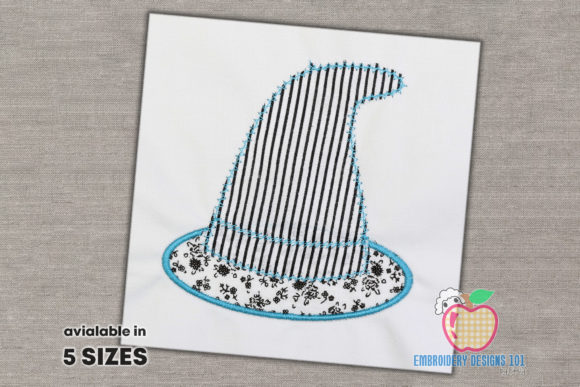
Magical Hat Applique Design Review for Small Business Merch
As an embroidery designer who has spent years digitizing and testing files for commercial use, I approach every new machine embroidery design with a critical eye. It is not enough for a file to look cute on a screen; it must perform flawlessly under the needle when applied to real-world products. Today, I am reviewing the Magical Hat Applique Design, a file categorized under Fairy Tales, to determine its viability for small business merch, branded patches, and custom apparel.
My first impression of this digital embroidery file is that it strikes a balance between whimsical charm and structural simplicity. The title suggests a playful aesthetic, likely appealing to boutiques, creative studios, bakeries, and pet brands looking to add a touch of magic to their branding. Unlike overly complex illustrations that often fail in production, an applique style generally indicates a focus on fabric layers rather than dense stitch fills. This is a promising sign for durability and texture, two key factors when creating high-quality embroidered patch products or uniform accents.
Evaluating Visual Personality and Brand Fit
The visual personality of the Magical Hat Applique Design feels friendly and handmade. In the context of brand identity, this is crucial. For a local business like a florist or a boutique coffee shop, a logo that feels too corporate can create distance. A design rooted in Fairy Tales offers a narrative element that invites customer engagement. When placed on a tote bag or an apron, this design signals creativity and approachability.
However, "playful" does not mean "unprofessional." The success of this design in a commercial setting depends on execution. If the color changes are well-defined and the shapes are clean, it can elevate a simple garment into a premium handmade product. For Etsy sellers and crafters, using such a distinct motif can help differentiate their design assets from generic stock imagery. The key is ensuring the whimsy translates into a cohesive look that aligns with the rest of your visual consistency.
Real-World Applications for Commercial Embroidery
Let's discuss where this file truly shines in a business environment. Because the description notes that steps are separated by color changes, this design is inherently suited for applique work. This makes it an excellent candidate for embroidered patch production. Patches are versatile; they can be ironed onto denim jackets, sewn onto canvas tote bags, or adhered to backpacks. For a small business, offering a branded patch as a add-on item increases the average order value significantly.
Beyond patches, consider the utility of this design on staff uniforms. For a bakery or a children's activity center, embroidering the magical hat onto an apron embroidery project adds a uniform look that is both functional and thematic. Similarly, cap embroidery is a strong use case. A wizard or witch hat motif works naturally on the front panel of a baseball cap or beanie, serving as a subtle yet recognizable brand mark.
For retail environments, this design could serve as a tote bag design for shopping bags given to customers at events. It transforms a utilitarian object into a piece of marketing material that customers actually want to carry. Furthermore, for product packaging, a small version of this design could be stitched onto fabric tags attached to handmade goods, reinforcing the brand identity before the customer even opens the package.
Technical Considerations and Production Challenges
While the artistic potential is high, we must address the technical realities of running this file on industrial or home machines. The description states the file comes in multiple formats, which is standard, but specific details regarding stitch count and exact dimensions are not provided in the brief. Before committing to a large run of commercial embroidery, you must verify these specs.
Here are critical areas to evaluate during your test run:
- Stitch Density: Applique designs rely on tack-down stitches and satin borders. Ensure the density is not too high, which can cause puckering on lightweight fabrics, nor too low, which leaves gaps in the coverage.
- Fabric Texture: Test the design on the actual material you intend to use. A magical hat might look great on cotton twill but could struggle on textured fleece or stretchy performance fabrics without the right stabilizer.
- Small Scale Legibility: If you plan to use this as a chest logo accent or a small patch, resize the file carefully. Intricate details in the hat brim or band may merge together if scaled down too far.
- Thread Colors: Review the color sequence. High contrast between the hat fabric and the border thread is essential for definition. Consider testing a black-and-white version first to check value contrast.
- Hoop Size: Confirm the required hoop size fits your machine's capabilities, especially if you are embroidering on curved surfaces like cap fronts.
Special care is needed when applying this to dark uniforms. Applique often requires a light-colored backing fabric to prevent the garment color from showing through the hat shape. You may need to adjust the digitizing or add a layer of white underlay if the software allows, or manually place a fabric cutout that contrasts well with the dark base.
Impact on Customer Trust and Product Value
Ultimately, the choice of embroidery file affects how customers perceive your business. A sloppy, poorly stitched design erodes trust. Conversely, a crisp, well-executed Magical Hat Applique Design enhances perceived value. When a customer receives a tote bag or shirt with clean edges and secure stitching, they associate that quality with your entire brand.
For handmade brands, the tactile nature of applique adds a layer of authenticity. It proves that time and skill were invested in the finished product. This justifies a higher price point compared to printed merchandise. Moreover, consistent use of this design across various touchpoints—from staff shirts to customer gifts—builds recognition. Over time, that little magical hat becomes a symbol of your business's unique story.
Final Designer Notes and Best Practices
Before integrating this file into your production line, I strongly advise creating a printable mockup for client approval or internal review. Visualizing the design on a flat lay or a 3D model helps identify potential placement issues. Always compare this design beside your other design assets to ensure it complements your existing logo suite rather than clashing with it.
Most importantly, confirm the commercial licensing terms. The product description mentions it is a machine embroidery design but cuts off before detailing usage rights. Never assume a file is free for commercial use. Contact the creator or check the full documentation to ensure you are cleared to sell items featuring this design. Additionally, since the description mentions "multiple embroidery file formats," verify that you have the specific format compatible with your machines (e.g., PES, DST, EXP) to avoid conversion errors that can ruin stitch quality.
In conclusion, the Magical Hat Applique Design holds significant promise for small businesses in the creative and service sectors. Its applique nature offers texture and durability, making it ideal for patches, caps, and apparel. However, its success relies entirely on proper testing, appropriate stabilizer selection, and strict adherence to sizing limits. By treating this file with the rigor of a professional production asset, you can turn a simple fairy tale motif into a powerful tool for brand growth.