Bunny Chow Lineart: A Designer's Review for Boutique Sweatshirts
As an embroidery designer who has spent years digitizing and stitching for small clothing brands, I approach every new machine embroidery design with a critical eye. It is not just about whether the image looks cute on a screen; it is about how that digital embroidery file translates into thread on fabric. Recently, I evaluated the Bunny Chow Lineart for an upcoming limited drop of premium sweatshirts. This project required a balance of playful charm and commercial durability, and this specific design offered a fascinating case study in how food-themed art can elevate custom apparel.
First Impressions and Design Personality
When I first pulled up the preview for Bunny Chow Lineart, the immediate impression was one of whimsical minimalism. The line art style suggests a modern, hand-drawn aesthetic that feels incredibly current for today's boutique brand market. Unlike heavy, filled logos that can feel stiff on soft garments, line art breathes with the fabric. The subject matter—a nod to the beloved South African street food known as Bunny Chow—adds a layer of cultural specificity and fun that resonates well with foodies and trendsetters alike.
The mood of the design is undeniably playful yet sophisticated. It avoids looking childish by relying on clean lines rather than cartoonish exaggeration. For a small shop product aiming to compete with larger retailers, this kind of nuanced personality is gold. It tells a story without shouting. The layout appears balanced, making it versatile for various placements, from a subtle chest logo to a bold back print. However, the true test lies in the translation from pixels to stitches.
Fabric Compatibility and Color Strategy
Selecting the right canvas is crucial for sweatshirt embroidery. I tested the concept of Bunny Chow Lineart against several fabric textures common in our industry. On neutral sweatshirts, such as heather grey or oatmeal, the design shines because the line work stands out clearly without competing with the background. The simplicity of the art allows the fabric texture to peek through, creating that high-end, integrated look that customers love.
For dark fabrics like navy or charcoal, the success of this design hinges entirely on thread colors. Since line art relies on contrast, choosing a bright white or a vibrant accent color for the outline is non-negotiable. If the contrast is too low, the details get lost in the pile of the fleece. Conversely, on pastel colors like blush pink or mint, the design takes on a softer, more feminine vibe. Here, using a slightly darker tone of the same color family for the stitching can create a tonal, understated effect that feels very premium.
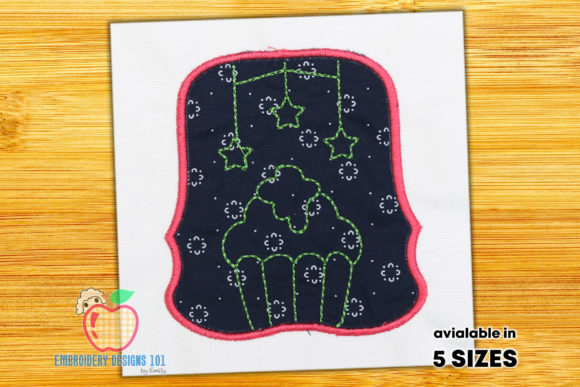
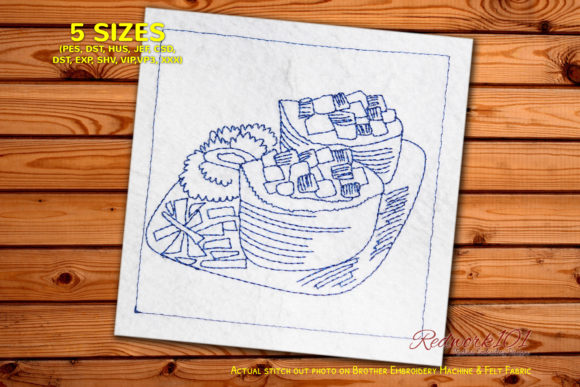
One specific note from the product description mentions that "The Box Stitch shown in picture is optional." This is a vital detail for a designer. In my evaluation, I decided to skip the outer box color to keep the look minimal and focused on the food illustration itself. This flexibility allows us to adapt the embroidery file to different colorways of the garment without needing multiple digitized versions. It streamlines production for Etsy sellers who need to move quickly between inventory changes.
Placement and Application Scenarios
The versatility of Bunny Chow Lineart makes it a strong candidate for various applications within a collection. For a standard hoodie design, placing the artwork on the left chest creates a classic, branded look. The scale seems appropriate for this area, ensuring the details remain readable without overwhelming the garment.
For those looking to make a bolder statement, this design could work beautifully as a sleeve accent. Running the line art vertically down the forearm adds a dynamic element that is popular in streetwear. Alternatively, scaling it up for a large back design on an oversized hoodie transforms the piece into a statement item. In this scenario, the clean lines prevent the design from becoming a solid block of thread, which helps maintain the drape and comfort of the heavy cotton blend.
From a marketing perspective, this design is a dream for printable mockup creation. The clear lines render sharply in digital previews, making it easy to create compelling design assets for social media and online listings. When potential buyers see the finished product in a lifestyle photo, the embroidery adds a tactile quality that printed graphics simply cannot match.
Technical Considerations for Production
Moving from concept to production requires addressing several technical hurdles. While the visual appeal is high, a professional must consider stitch density and stability. Line art generally has lower density than fill stitches, which is excellent for comfort but requires careful attention to stabilizer choice. For thick sweatshirt material, a cut-away stabilizer is often preferred to prevent the stitches from sinking into the fabric over time, ensuring the commercial embroidery holds up after repeated washes.
Readability at small sizes is another concern. Because this is a line-based design, shrinking it too much for things like cuff tags or pocket accents might cause the lines to merge or break. It is essential to check the recommended hoop size and minimum dimensions provided with the file. If these specifics are not explicitly stated in the download, I strongly advise running a test stitch-out on scrap fabric before committing to a full production run. This step verifies that the stabilizer interaction and thread tension are optimized for your specific machine.
Washing durability is paramount for any handmade product sold commercially. The open nature of line art means there are fewer anchor points compared to dense fills. Ensuring that the underlay stitching is robust will prevent the top threads from looping or snagging during laundry cycles. This attention to detail builds buyer trust and reinforces your brand identity as a provider of quality goods.
Enhancing Brand Value and Customer Engagement
Incorporating a unique design like Bunny Chow Lineart does more than just decorate a garment; it enhances the perceived value of the entire collection. Customers are increasingly seeking custom apparel that reflects their interests and personality. A food-themed design taps into a universal language of comfort and joy. When executed with high-quality stitching, it signals that the brand cares about the details.
For creative entrepreneurs and digital sellers, offering embroidered options distinguishes your shop from the sea of print-on-demand competitors. The texture and depth of real thread create a sensory experience that drives customer engagement. People touch the embroidery; they examine the stitch quality. This interaction fosters a deeper connection to the handmade product and encourages word-of-mouth promotion.
Ultimately, the decision to use Bunny Chow Lineart in a boutique collection comes down to its ability to bridge the gap between fun and fashionable. It offers a fresh take on food imagery, moving away from literal photographs to artistic interpretation. Whether used for a cozy seasonal drop or a year-round staple, this design has the potential to become a signature element for a forward-thinking brand. Just remember to verify the technical specs regarding the optional box stitch and ensure your thread colors pop against your chosen fabrics. With the right execution, this design is ready to stitch its way into the hearts of your customers.