Cut Pineapple Embroidery Design Review for Makers
As an embroidery designer who spends more time staring at stitch previews than I do sleeping, I am always on the hunt for files that balance whimsy with technical reliability. When I stumbled upon Cut Pineapple on Creative Fabrica, my immediate thought was not just about the cute factor, but whether this specific machine embroidery design could hold up in a real-world commercial setting. We all know the struggle: a design looks perfect on the screen, but turns into a bird's nest of thread breaks and puckering once it hits the hoop. After reviewing the specifications for SKU E-21611, I wanted to share an honest evaluation of how this Food category asset performs for handmade products and small business owners.
First Impressions and Visual Mood
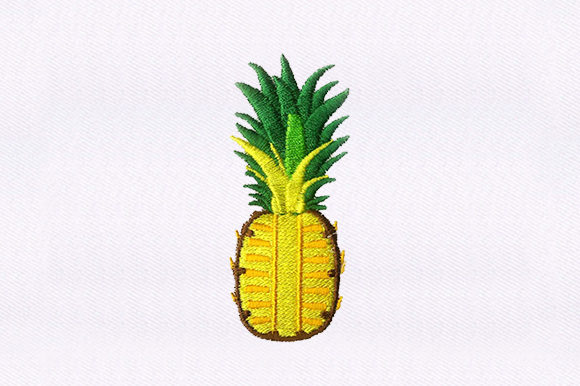
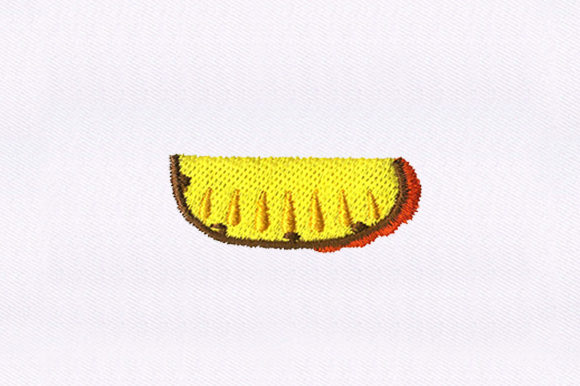
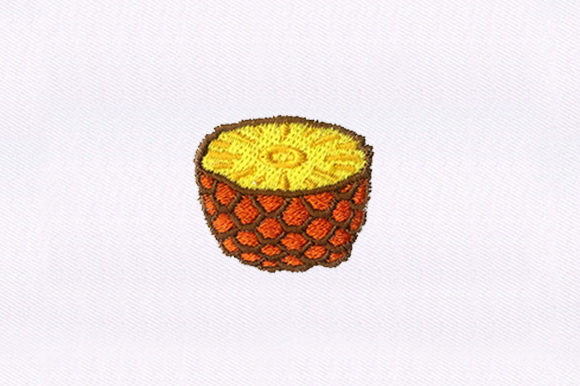
The first thing that strikes you about Cut Pineapple is its vibrant, summery personality. In the world of Embroidery, food motifs can often feel either too cartoonish or overly complex, but this design seems to strike a happy medium. It carries a playful yet polished aesthetic that fits perfectly into current trends for kitchen decor and summer apparel. The visual mood suggests freshness and warmth, making it an ideal candidate for projects intended to bring a smile to the recipient's face. Whether you are creating a personalized gift for a housewarming or stocking your Etsy shop with seasonal items, the decorative appeal here is strong. It feels like a design that was created by someone who understands how thread interacts with fabric, rather than just a vector image converted blindly into stitches.
Real-World Application Scenarios
When considering where to place Cut Pineapple, the possibilities for commercial embroidery are quite broad. Because the design falls under the Food product type, it naturally gravitates toward kitchen textiles. I can easily envision this stitched onto a linen tea towel or a cotton apron, adding a pop of color to a neutral workspace. However, its versatility extends beyond the kitchen. Imagine this motif on a canvas tote bag design for a grocery run or a beach trip; the tropical vibe is undeniable.
For those of us running boutique merchandise lines, this embroidery file could be a star player on custom apparel. A left-chest placement on a denim jacket or a pocket sweatshirt would look charming without overwhelming the garment. It is also small enough to work as an embroidered patch if you are using a sticky-back stabilizer and cutting it out post-stitching. For baby items, the cheerful nature of the pineapple makes it suitable for bibs or burp cloths, provided the stitch density is appropriate for sensitive skin. If you are selling digital embroidery file bundles or finished goods at craft fairs, this design adds a cohesive element to a "Summer Fresh" or "Tropical Kitchen" collection.
Technical Performance and Hoop Constraints
One critical specification to note immediately is the hoop size. The product details state that Cut Pineapple is sized for a 4×4 hoop. For experienced digitizers and machine operators, this tells us two things. First, the design is compact, which is excellent for smaller items like caps, socks, or narrow pockets on shirts. Second, it means you do not need a large, expensive multi-needle machine to run this; a standard home embroidery machine can handle it with ease.
However, working within a 4×4 frame requires precision. When stitching on textured fabrics like waffle-weave towels or thick terry cloth, you must ensure your stabilizer choice is robust enough to prevent the design from sinking into the pile. On stretchy fabrics, such as jersey knits used for sweatshirt embroidery, the compact nature of the design helps minimize distortion, but hooping technique becomes paramount. I always recommend using a cut-away stabilizer for garments that will undergo frequent washing to maintain the shape of the fill stitch areas over time.
Regarding the stitch composition, while the exact count isn't listed in the brief specs, designs in this category typically utilize a mix of satin stitch for outlines and details, and fill stitch for the body of the fruit. You should inspect the preview images on the Creative Fabrica product page to gauge the stitch density. If the fill areas look extremely dense, you may need to adjust your tension or use a lighter weight thread to prevent puckering, especially on dark fabrics where contrast is key. Speaking of contrast, this design likely relies on bright yellows and greens. When stitching on dark navy or black apparel, ensure your underlay is sufficient to prevent the background fabric from showing through the lighter thread colors.
Enhancing Product Value and Brand Consistency
In the competitive landscape of handmade shops, the quality of your design assets directly impacts buyer trust. Using a clean, well-digitized file like Cut Pineapple elevates the perceived value of your finished product. Customers are quick to notice sloppy stitching or poorly scaled graphics. A crisp, professional-looking pineapple motif signals that you care about the details, which fosters brand loyalty. Furthermore, because the design is visually distinct, it photographs beautifully for your online listings. High-quality product photography is essential for conversion, and a sharp embroidery design catches the light in a way that flat prints cannot.
For creative entrepreneurs, consistency is key. If you are building a line of kitchen goods, using this design across multiple SKUs—towels, oven mitts, pot holders—creates a cohesive collection that encourages bulk purchases. It serves as a recognizable signature for your summer line, helping customers instantly identify your work at a busy craft fair.
Practical Notes Before You Stitch
Before you commit this design to a customer order, there are several practical steps you should take to ensure success. Always test on scrap fabric first. This allows you to check the registration of any layered details and confirm that the running stitch elements are not too fine to survive repeated laundering. Pay close attention to tiny lettering if the design includes any text; small fonts can sometimes merge together if the stitch density is too high or if the fabric shifts.
Since the specifications mention a 4×4 hoop, double-check that your machine's minimum hoop capability matches this requirement. While most modern machines handle 4×4 easily, some older or mini-models might have limitations. Additionally, review the licensing terms on the Creative Fabrica product page. As a seller of handmade products, you need to confirm that the license permits commercial use of the physical items you create. Most files on the platform do allow this, but it is your responsibility to verify the specific terms for SKU E-21611 before selling.
Finally, consider the end-user experience. If this design is going onto a child's item or a pet bandana, ensure there are no loose jump stitches that could pose a hazard. Trim your threads meticulously and press the final item with care to avoid crushing the texture of the stitches. By treating Cut Pineapple with the same level of scrutiny you would apply to any premium asset, you ensure that your custom apparel and home goods stand out in a crowded market.
In conclusion, Cut Pineapple appears to be a versatile and charming addition to any embroiderer's library. Its suitability for a wide range of projects, from tote bags to nursery decor, combined with its manageable 4×4 footprint, makes it a practical choice for both hobbyists and professionals. With proper testing and material selection, this design has the potential to become a best-seller in your shop, bringing a touch of tropical joy to every piece you create.