Santa Claus and Gifts Lineart Design Review
As an embroidery designer who spends more time at the hoop than away from it, I am always on the lookout for designs that strike the perfect balance between artistic charm and technical reliability. When I first loaded the Santa Claus and Gifts Lineart Design onto my screen, I knew immediately that this was a piece destined for holiday bestsellers. In the world of custom embroidery, line art offers a specific aesthetic—clean, modern, and incredibly versatile—that solid fill designs sometimes struggle to achieve. This review breaks down how this specific machine embroidery design performs when translated from a digital embroidery file to a tangible, cherished keepsake.
First Impressions: Mood and Aesthetic Appeal
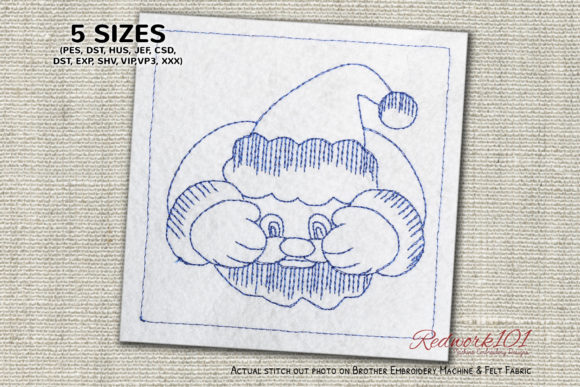
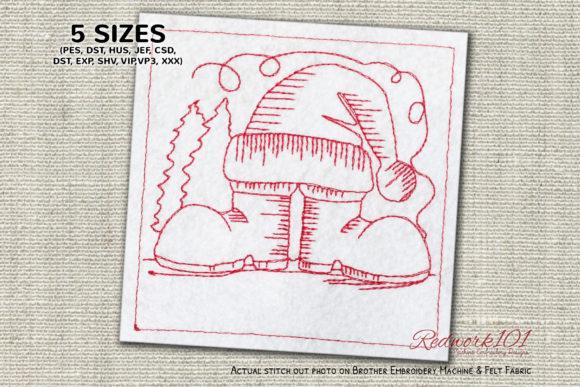
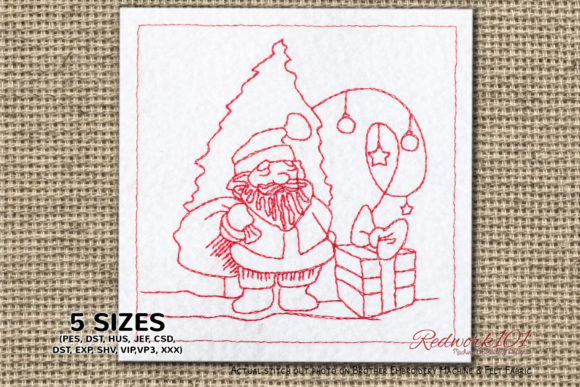
The immediate feeling this design evokes is one of nostalgic warmth mixed with contemporary simplicity. Unlike heavy, satin-stitch Santas that can look bulky on smaller items, this line art approach feels elegant and handmade. It captures the essence of Christmas without being overly loud or cartoonish. The mood is sweet and classic, making it suitable for a wide demographic, from new parents looking for baby embroidery ideas to couples seeking a subtle wedding gift for their first holiday together.
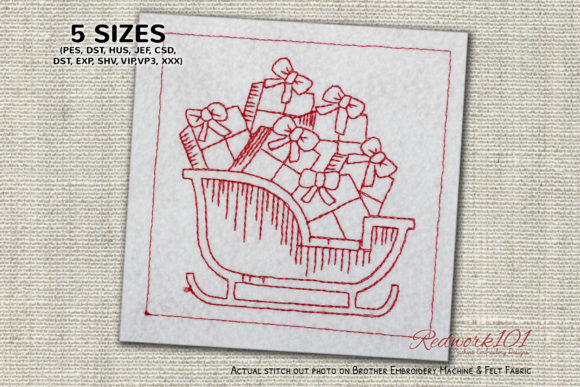
The detail level is just right for a line art style. It avoids excessive micro-details that might get lost in washing, yet it retains enough character in Santa's expression and the shape of the gifts to feel personal. For an Etsy seller or small shop owner, this visual appeal translates directly into buyer engagement. Customers today often seek products that look professional but retain the soul of a handmade product. This design hits that mark perfectly, offering a high perceived value that justifies a premium price point for your finished product.
Versatility Across Product Categories
One of the strongest assets of the Santa Claus and Gifts Lineart Design is its adaptability. Because it relies on outlines rather than dense fills, it sits beautifully on a variety of fabrics. Here is how I envision this design performing across different customer orders:
- Baby Embroidery: Perfect for muslin swaddle blankets or organic cotton onesies. The open nature of line art means less stiffness against a baby's sensitive skin.
- Kitchen Linens: An embroidered towel or flour sack tea towel becomes an instant heirloom. The design pops wonderfully against white or cream linen.
- Nursery Decor: Ideal for pillow covers or wall hangings where a soft, seasonal touch is needed without overwhelming the room's theme.
- Apparel and Totes: Great for custom tote bags or aprons. The clean lines ensure the design remains readable even on textured canvas or thicker cotton blends.
- Wedding Keepsakes: For couples marrying near the holidays, this can be personalized with names and dates to create a unique "Our First Christmas" memory.
When planning your inventory, consider how this Embroidery design can be paired with different thread colors. While traditional red and green are obvious choices, testing metallic gold or silver threads could elevate the design for a more luxurious, evening-wear aesthetic or high-end home decor.
Technical Considerations and Fabric Challenges
While the design is stunning, practical application requires attention to detail. As a professional, I always advise testing on scrap fabric before committing to a customer order. Here are specific areas where caution is needed:
Fabric Texture and Thickness
Line art can sometimes disappear on highly textured fabrics like thick waffle weave towels or looped terrycloth. If you are stitching on these materials, ensure your stitch density is sufficient to bridge the gaps in the fabric texture. Conversely, on very stretchy baby clothes, the lack of fill means the design is less likely to cause puckering, but proper stabilization is still non-negotiable.
Dark Fabrics and Contrast
On dark fabrics, the thin lines of a line art design must be bold enough to stand out. You may need to adjust the thread colors to ensure high contrast. A light grey thread on a black hoodie might look sophisticated, but ensure it is visible from a distance. Always create mockups comparing light and dark fabric scenarios to verify visibility.
Small Details and Durability
Products that require frequent washing, such as kitchen towels or children's clothing, demand durability. Check the small details after stitching your test sample. Are the thin lines holding up after three wash cycles? If the design includes very fine connectors, they might be prone to breaking on high-friction items. In such cases, advising the customer on care instructions is part of providing excellent service.
Hoop Size and Placement
Before purchasing or stitching, confirm the hoop size required for this file. While line art is often compact, ensure your machine can accommodate the dimensions, especially if you plan to add personalized text above or below the image. Curved surfaces, like the pocket of a hoodie or a rounded pillow, also require careful hooping techniques to prevent distortion of the linear elements.
Enhancing Giftability and Customer Trust
In the realm of personalized gifts, emotional connection drives sales. The Santa Claus and Gifts Lineart Design excels here because it feels intentional. It doesn't look like a mass-printed transfer; the visible stitch lines (even in running stitch styles) signal quality craftsmanship. This builds customer trust. When a buyer receives a package containing a beautifully embroidered blanket with this design, the tactile experience reinforces the value of your small shop product.
For photography, line art designs are a dream. They photograph cleanly without the glare that sometimes occurs with heavy satin stitches. This makes creating attractive printable mockup images or social media content much easier, helping you showcase your work to potential buyers effectively. High-quality images of this design on cozy textures can significantly boost engagement on platforms like Instagram and Pinterest.
Practical Notes for the Professional Stitcher
To ensure the best results with this embroidery file, keep the following checklist in mind:
- Stabilizer Selection: Choose a stabilizer that matches your fabric weight. For stretchy knits, a cut-away stabilizer is usually best to maintain the integrity of the lines over time.
- Thread Contrast: Experiment with variegated threads for a dynamic look, but ensure the color changes don't break up the continuity of Santa's outline.
- Commercial Licensing: Before selling finished products, always confirm the commercial licensing terms provided with the file. Some designers allow unlimited physical sales, while others have restrictions.
- File Verification: Since specific details like exact stitch count or file formats were not explicitly detailed in the initial product snapshot, double-check the download package for compatibility with your specific machine brand (Brother, Janome, Husqvarna, etc.).
- The Optional Box: Note that the product description mentions an optional box stitch. Decide early if this framing element suits your specific product. On a busy patterned fabric, the box might help define the image, but on a plain towel, skipping it might offer a more organic, floating look.
In conclusion, the Santa Claus and Gifts Lineart Design is a robust addition to any holiday collection. It bridges the gap between traditional festive imagery and modern design trends. Whether you are creating a wedding gift, stocking up for a craft fair, or fulfilling custom orders for local clients, this design offers the flexibility and charm needed to create memorable, high-quality items. By paying attention to fabric choice, stabilization, and finishing details, you can turn this digital file into a physical treasure that customers will cherish for years to come.